
Comfort Memo®
How the Comfort Memo® anti-fatigue system is built, how to specify it, and how to read the test data behind it.
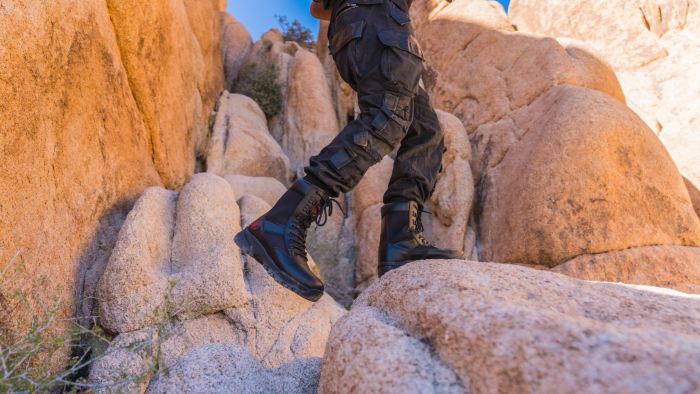
Comfort Memo®: What the Anti-Fatigue System Actually Is
Comfort Memo® pairs a slow-rebound PU footbed, a TPU arch grid and a dual-density PU sole layer. What that changes in a boot, and what it does not.

How to Check an Anti-Fatigue Claim Before You Buy
Peak plantar pressure, energy return, compression set: what each figure measures, which test standard fits it, and the documents to ask a supplier for.
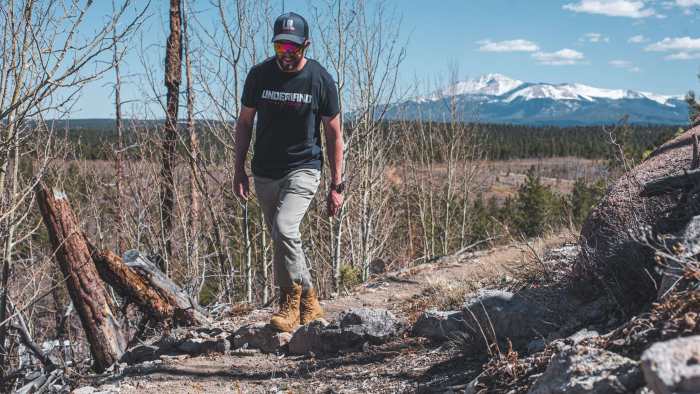
Matching the Boot to the Floor: A Shift-Length Guide
Concrete, steel plate, wet tile and gravel ask different things of a footbed. A practical way to match Comfort Memo® models to shifts of six hours or more.

PU, TPU, EVA and Memory Foam: What Each One Does
Slow-rebound PU, semi-rigid TPU, EVA and memory foam are not interchangeable. A practical reading of density, hardness and compression set in boot footbeds.
Three Layers, Three Jobs: Inside the Comfort Memo® Build
A 2 mm slow-rebound PU top, a variable-thickness TPU arch grid and a dual-density PU sole layer: how the three Comfort Memo® layers divide the work.

Why Feet Tire on Concrete: Four Things Happen at Once
Foot fatigue on concrete has four causes: sustained arch load, stalled venous return, pressure peaks and load transfer up the leg. Cushioning addresses one.